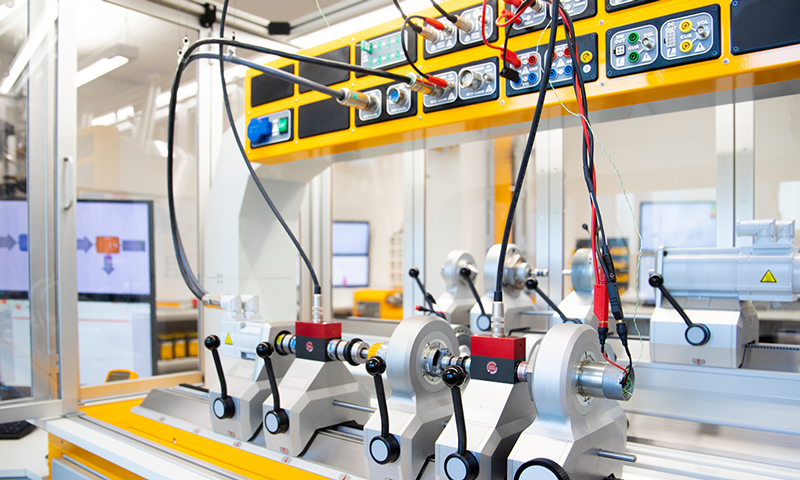
NVH PERFORMANCE TESTING
LOGICDATA has extensive in-house capabilities for Noise, Vibration, and Harshness (NVH) analysis and optimization. Each of our mechatronic solutions is tested in this state-of-the-art infrastructure. NVH quality is at the core of our internal product development, as well as a valuable service for our clients.
NVH is a key indicator of product quality and performance. Using our in-house sound testing infrastructure and anechoic cabin (sound chamber), we integrate measurement and optimization loops directly into our processes, providing clients with optimum service alongside cutting-edge mechatronic technology.
Advantage

to Quantitative

Environment

Test Setup

Data


Quality Through Design
For premium sound quality, mechatronic solutions require optimization throughout product development. NVH performance testing transforms a subjective topic into actionable data, providing the basis for informed technical design decisions.
Throughout the entire development process, from concept to series production, we can determine and analyze all relevant NVH factors. This enables us to detect possible problems early on and improve product quality by identifying potential improvements.
Our deep technical understanding and analysis of tested products enables us to determine the root causes of abnormalities (e.g. gear damage) without disassembly.



LOGICDATA’s NVH Performance Testing Expertise
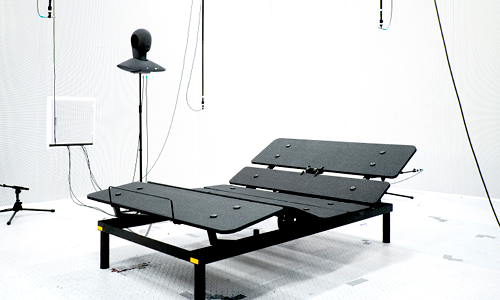
In our in-house sound testing chamber – or on-site customized to specific requirements – we analyze and optimize mechatronic systems and components.
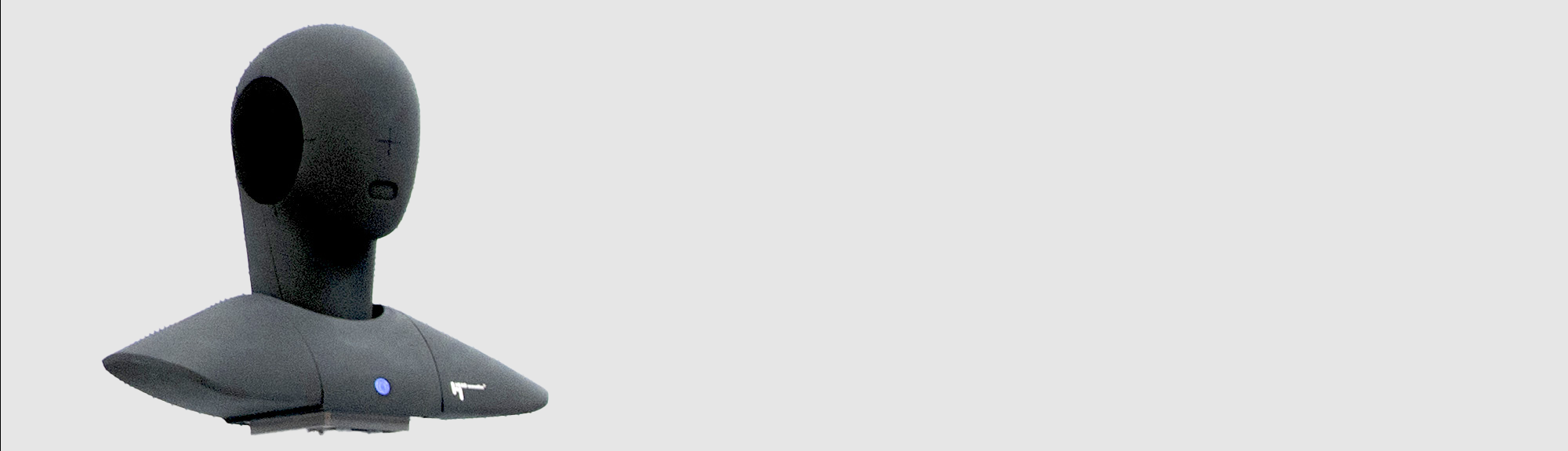
- Airborne sound measurement (single microphones and binaural recordings for loudness and sound power measurements).
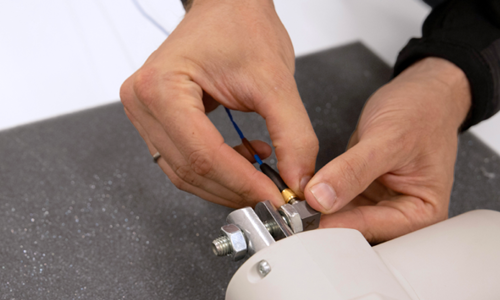
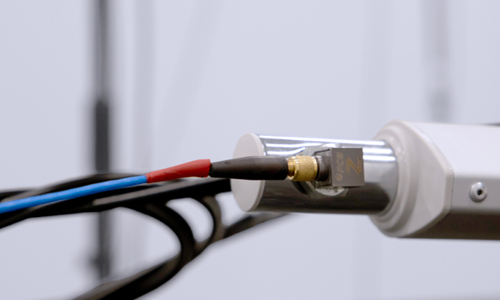
- Structure-borne sound/vibration measurement.
- Measurement of transfer functions.
- Integration of product data into NVH measurements (voltage, current, stroke, etc.)
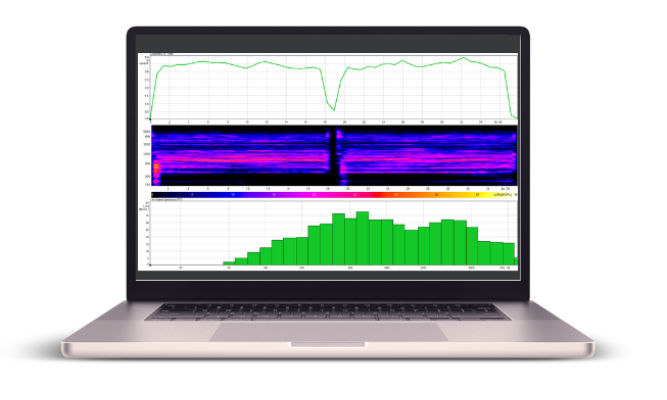
- Use of analysis tools (FFT, Modulation spectrum, and aurally accurate playback).
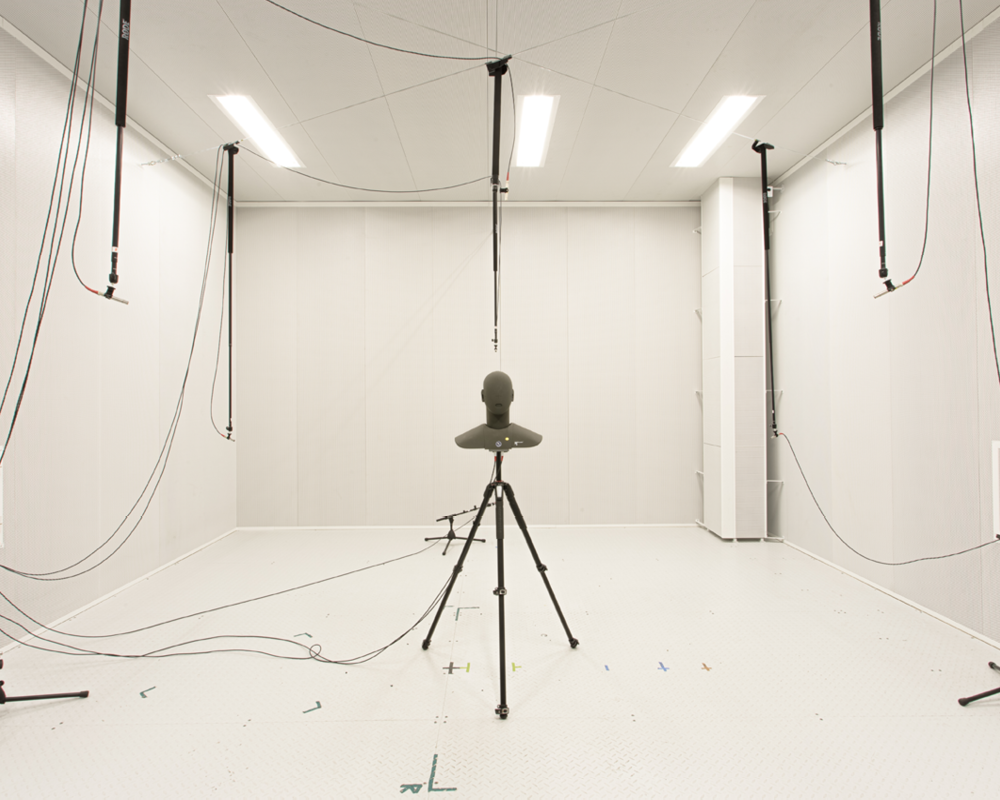
In-House Anechoic Chamber
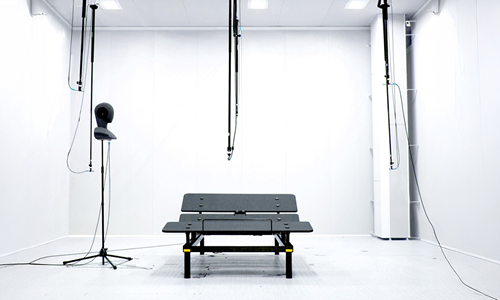
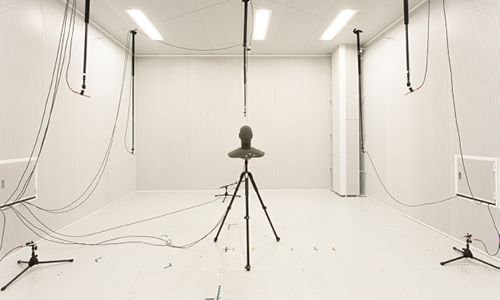
Our in-house anechoic cabin is a specially designed room that absorbs a wide range of sound reflections and external noise. This environment enables reproducible measurements and ensures high data quality.
- 6.5 × 5.5 × 3.5 m – large enough to support the testing of large systems.
- Microphone array for sound power measurements according to ISO3744.
- Sound-absorbing walls and ceiling that prevent echoes and reflections.
- Decoupled structure to isolate the chamber from external vibrations
Quantitative Measurements, Better Data
Achieving the highest-quality NVH performance is a process that involves improving specific factors that cause noise and vibration in mechatronic systems. Optimizing these elements requires precise, reproducible metrics, measured in our NVH infrastructure.
Accurate NVH measurements provide insights that go far beyond identifying noise sources. They reveal interactions between mechanical, electrical, and structural components, helping engineers understand how individual design decisions influence the overall user experience.
For customers, this translates into smoother operation, improved perceived quality, and more reliable product performance. Quantitative analysis makes optimization efforts transparent and measurable, allowing development teams to track improvements and demonstrate their impact with confidence.
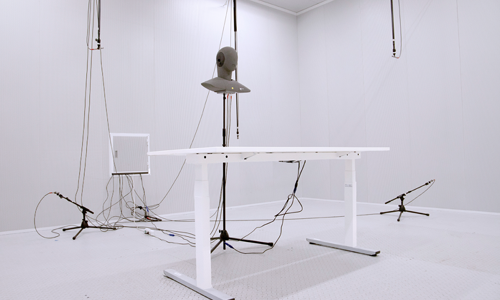
During sound testing, we always have a precisely defined measurement setup in a controlled environment. This is vital for LOGICDATA to achieve consistent and comparable results.

NVH Performance Testing for the LOGICflex X
-
- Optimizations for drive smoothness. System acoustics largely depend on the mechatronic components that drive movement, i.e. the actuators and table legs. We optimize these components carefully, measuring the noise frequencies triggered by movement.
- Vibration dampening. Movement causes vibrations, which create noise. The goal of the optimization process is to isolate and insulate vibrations as much as possible, without compromising system stability or performance.
- Actuator and table system setup. Using compatible components makes NVH performance easier to achieve. This iterative process may include structural optimization of the system.
- Optimization of system operating noises. System sound should clearly indicate specific events. Optimizations include improvements to reaction times after the handset is activated, or acoustic feedback when the system is switched on or off.